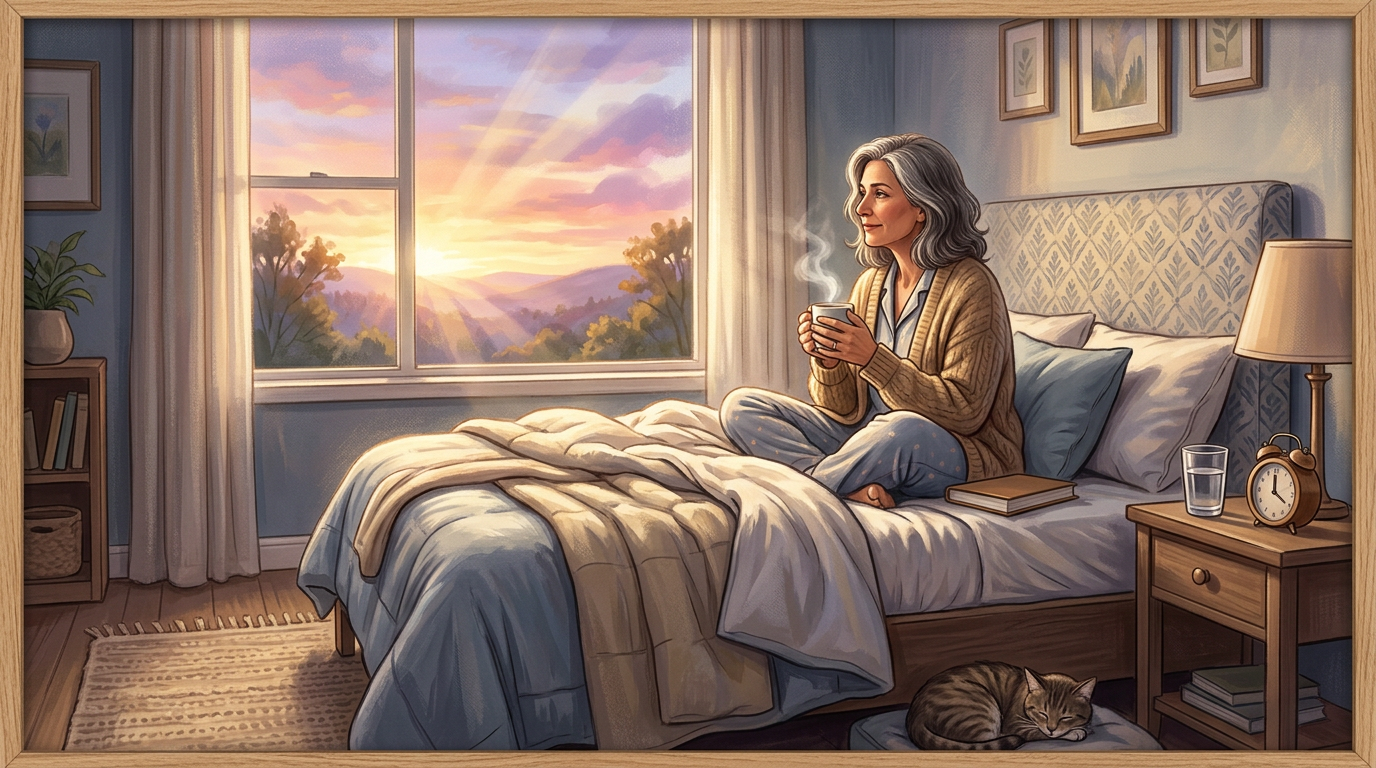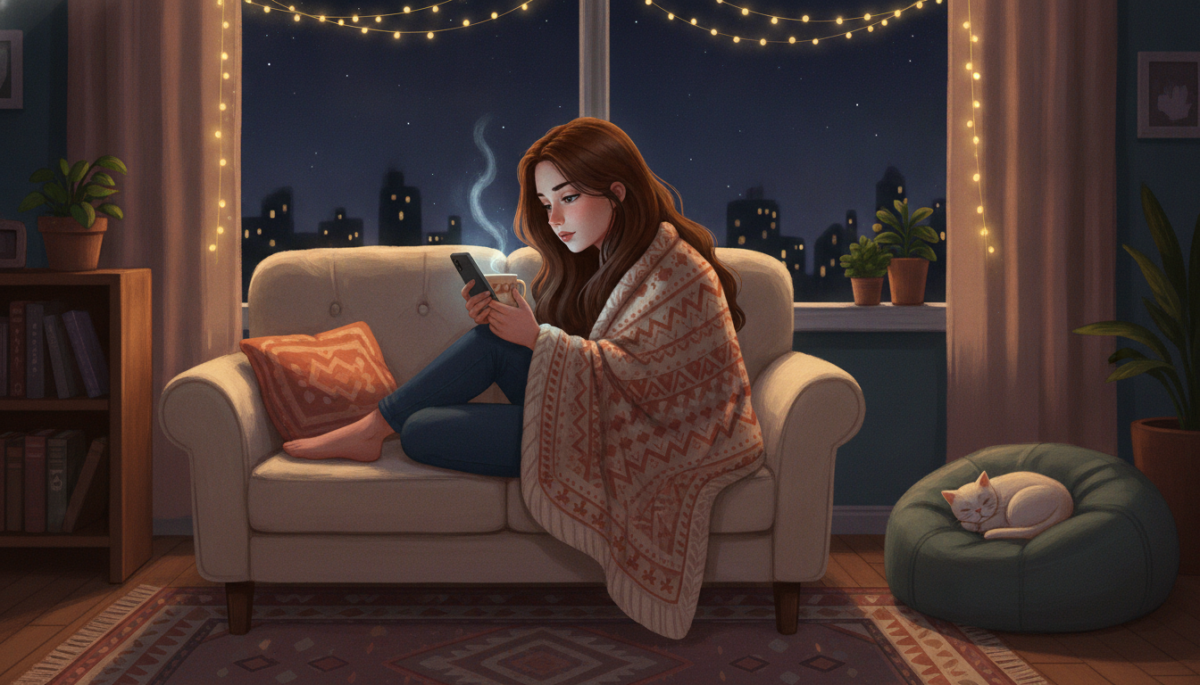

The clock strikes midnight, and every cell in your body is begging for sleep. Yet, you find yourself staring at your glowing phone screen, scrolling mindlessly through social media. If this late-night battle sounds familiar, you are likely experiencing revenge bedtime procrastination, a modern phenomenon where we sacrifice sleep to reclaim a sense of personal freedom. It feels like the only time you can truly exist for yourself, but this midnight glimmer is secretly draining your vitality.
For many, the night is the only sanctuary left in a hyper-connected world. We spend our daylight hours meeting deadlines, answering emails, and fulfilling family obligations. By the time the world finally goes quiet, we desperately crave a moment of pure, uninterrupted autonomy.
The Hidden Psychology Behind Sleep Procrastination
Consider the story of Sarah, a high-performing project manager. Her days are a blur of endless meetings, urgent client demands, and household chores. From sunrise to sunset, her time is sliced into pieces and handed over to everyone else, leaving nothing for her own passions.
When everyone else is asleep, Sarah finally feels in control. She brews a warm cup of herbal tea, opens a book, or simply scrolls through her feed without any pressure. This isn’t just simple laziness; it is a profound psychological rebellion. It is a desperate attempt to reclaim the personal space that was squeezed out during her hectic day.
Psychologists refer to this behavior as a coping mechanism for a lack of daytime control. When we feel powerless over our schedules during the day, we seek retribution at night. Unfortunately, this silent protest comes at a very high cost to our physical and mental well-being.
The Vicious Cycle of Stolen Midnight Hours
While those quiet midnight hours feel incredibly liberating, they are actually a form of self-sabotage. The alarm clock inevitably rings too early, and the morning brings a heavy fog of exhaustion. We rely on caffeine to get through the day, which only increases our stress and anxiety levels.
This physical exhaustion reduces our productivity, making daytime tasks feel even more overwhelming. As a result, we feel even less control over our day, which triggers an even stronger urge to procrastinate at bedtime. It is an exhausting loop that leaves us constantly running on empty.
True freedom cannot be stolen from our sleep. When we trade our rest for leisure, we are simply borrowing happiness from tomorrow. Real autonomy requires us to look closely at our daytime habits and make sustainable changes.
Reclaiming Your Day to Save Your Night
Breaking free from this cycle does not mean you have to abandon your personal time. Instead, the goal is to shift your focus from nighttime rebellion to daytime boundary setting. By creating small pockets of peace throughout the day, the urge to stay up late will naturally diminish.
Start by scheduling non-negotiable “me-time” during your daylight hours, even if it is just fifteen minutes. Use this time to take a quiet walk, read, or practice deep breathing. When your mind feels nourished during the day, it won’t feel the need to rebel at midnight.
Additionally, practicing a soothing wind-down routine can help transition your brain into sleep mode. Turn off your screens thirty minutes before bed and replace them with offline relaxation. Over time, you will find that a good night’s sleep is the ultimate form of self-care.
Frequently Asked Questions About Bedtime Procrastination
How does revenge bedtime procrastination differ from normal late-night habits?
Unlike normal late-night activities driven by work shifts or social events, revenge bedtime procrastination is fueled by a lack of daytime control. It is an emotional coping mechanism where individuals consciously sacrifice sleep to regain a sense of personal freedom and autonomy.
Why is it so difficult to stop even when we know it is harmful?
This behavior is incredibly addictive because those stolen hours represent the only time of day we feel truly ourselves. The immediate emotional reward of freedom and quiet solitude often overrides our logical understanding of the long-term health consequences.
Does this phenomenon only affect busy corporate professionals?
Not at all. Anyone who feels a severe lack of control over their daily schedule can experience this, including stressed students, overwhelmed stay-at-home parents, and dedicated caregivers. The underlying trigger is always the same: a deep-seated desire for personal space.
What are some practical ways to overcome this habit?
The most effective strategy is to integrate small breaks into your daytime schedule so you do not feel completely deprived of personal time. Additionally, setting a strict digital curfew and replacing screen time with offline relaxation can help ease your mind into a restful state.
Tonight, as the clock approaches your usual bedtime, take a deep breath and put down your phone. Remind yourself that sleep is not a chore or a loss of freedom, but a powerful investment in your future self. By choosing rest, you are giving yourself the energy, clarity, and strength to truly conquer tomorrow.
Frequently Asked Questions
Why does having a busy daytime schedule directly cause us to stay up late?
When your day is filled with obligations, you experience a lack of personal autonomy. Psychologically, staying up late is a silent rebellion to reclaim control over your time. Your mind craves personal freedom, so it sacrifices sleep to get the uninterrupted self-existence you missed during the day.
How does borrowing happiness from tomorrow create a vicious cycle?
When you sacrifice sleep for late-night leisure, you wake up exhausted. This fatigue lowers your daytime productivity and coping capacity, making your daily tasks feel even more overwhelming and out of control. Consequently, you feel an even stronger urge to procrastinate at bedtime to escape that stress.
Can just fifteen minutes of daytime rest really stop me from staying up late?
Yes. Scheduling small, non-negotiable pockets of me-time during the day nourishes your mind when you need it most. By proactively reclaiming personal space during daylight hours, you reduce the psychological deficit of control, which naturally diminishes the desperate urge to rebel and stay up at midnight.
Why is a wind-down routine without screens crucial for breaking this habit?
Screens keep your brain stimulated and connected to the very digital world you are trying to escape. Turning off devices thirty minutes before bed and replacing them with offline relaxation signals your brain that it is safe to transition into sleep mode, transforming rest into the ultimate form of self-care.
Discover more from Nenext
Subscribe to get the latest posts sent to your email.