




Arthur just wanted to know if the municipal reservoir was safe to drink. It was a perfectly reasonable query for a rainy Tuesday morning, the sort of mundane civic inquiry that should have ended with a simple, reassuring PDF from the city water department. Instead, Arthur opened his laptop and stepped directly into a digital category-five hurricane. Within minutes, his screen was a kaleidoscope of frantic warnings, smug dismissals, and neon-colored infographics. His simple quest for hydration was about to be utterly obliterated by the most sophisticated weapon of the modern age: the art of flooding the zone.
The Cacophony of Certainty
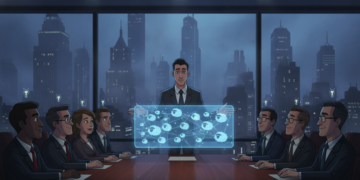
“The water is not only safe; it has been infused with proprietary mineral blends for your cognitive enhancement,” chirped the Mayor’s official spokesperson on a live stream, smiling with the manic energy of a hostage negotiator. Simultaneously, an anonymous whistleblower on a fringe forum claimed the reservoir was being used to test experimental liquid microchips. Before Arthur could process the logistics of drinking microchips, a prominent wellness influencer posted a twenty-minute video titled ‘Why I Only Drink Dew Gathered from Himalayan Ferns (And You Should Too)’, complete with a discount code for copper chalices.
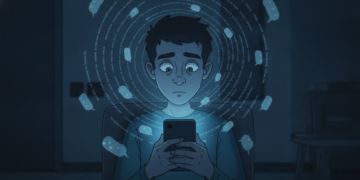
As Arthur stared at his screen, the notifications began to pile up like dead leaves in autumn. A local news outlet reported a minor pipe leak; a rival outlet claimed the leak was a false flag operation staged by Big Plumbing; and a self-proclaimed citizen journalist broadcasted live from a puddle in a supermarket parking lot, screaming about the end of days. The sheer volume of content was staggering. It wasn’t just that the answers were contradictory; it was that they were arriving at a speed and volume that made contemplation impossible. The goal was not to convince Arthur of any particular truth, but to make him so thoroughly exhausted that he would happily drink whatever came out of the tap, even if it glowed in the dark.
The Beautiful Efficiency of Chaos
In the golden olden days of authoritarianism, censorship was a clumsy, hands-on affair. It involved heavy-handed men in trench coats, red ink, and the physical confiscation of printing presses. It was expensive, highly visible, and had the annoying habit of making the censored material look incredibly appealing. Today’s digital autocrats and corporate spin doctors have realized something far more elegant: why bother hiding the truth when you can simply drown it in a sea of absolute garbage?
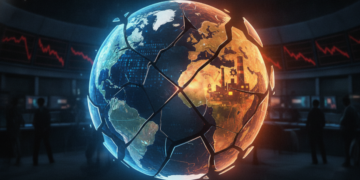
“Flood the zone with shit,” as one infamous political strategist famously put it. It is the ultimate asymmetrical warfare of the information age. It takes hours of painstaking research to verify a single fact, but it takes approximately three seconds to generate a dozen absurd conspiracy theories using artificial intelligence. When the public square is flooded with a relentless torrent of noise, the truth doesn’t get suppressed; it simply becomes indistinguishable from the background static. The cognitive load required to separate the signal from the noise becomes too heavy for the average brain to bear.
The Sweet Relief of Apathy
By lunchtime, Arthur had developed a dull throb behind his left eye. He had read forty-two articles, watched seven video essays, and perused a ninety-tweet thread analyzing the facial expressions of the water commissioner. He was no longer trying to figure out if the water was safe; he was trying to remember why he had cared in the first place. The initial anxiety that had driven his search had morphed into a heavy, paralyzing apathy.
And that, of course, is the grand victory of the information flood. The architects of the deluge do not need you to believe their lies; they merely need you to disbelieve everything. Once you accept that everyone is lying, that every source is compromised, and that finding the truth is an exercise in futility, you stop looking. You surrender your agency. You close the tab, mute the notifications, and accept whatever status quo is handed to you.
Arthur slowly closed his laptop, the silence of his kitchen rushing back to fill the void left by the digital roar. He walked over to the sink, stared at the chrome faucet for a long moment, and then reached for the handle. With a quiet sigh of defeat, he filled his glass to the brim, took a long, blind sip of the mystery liquid, and hoped for the best.
Frequently Asked Questions
Why does modern information overload feel more exhausting than old-school censorship?
Traditional censorship actively hid information, which often made people curious to find it. Today, instead of hiding the truth, bad actors drown it in a sea of contradictory garbage. This massive volume of noise increases your cognitive load, making the search for truth so exhausting that you willingly give up looking.
What is the ultimate goal of those who 'flood the zone' with conflicting information?
The goal is not to make you believe a specific lie, but to make you disbelieve everything. When you feel that every source is compromised and the truth is impossible to find, you become paralyzed by apathy. This state of exhaustion forces you to surrender your agency and accept whatever happens.
How does artificial intelligence make the 'flooding the zone' strategy more dangerous?
Fact-checking and verifying a single piece of information requires hours of painstaking research by humans. In contrast, artificial intelligence can generate dozens of absurd conspiracy theories or misleading articles in just three seconds. This extreme asymmetry makes it incredibly easy and cheap to overwhelm the public square with noise.
How does the article explain the transition from anxiety to apathy during an information search?
When you start searching for answers, anxiety drives you to look at multiple sources. However, as you encounter a relentless torrent of contradictory views, your brain gets overwhelmed by the sheer volume. This mental fatigue eventually kills your initial curiosity, transforming your active anxiety into a heavy, paralyzing apathy.
Discover more from Nenext
Subscribe to get the latest posts sent to your email.