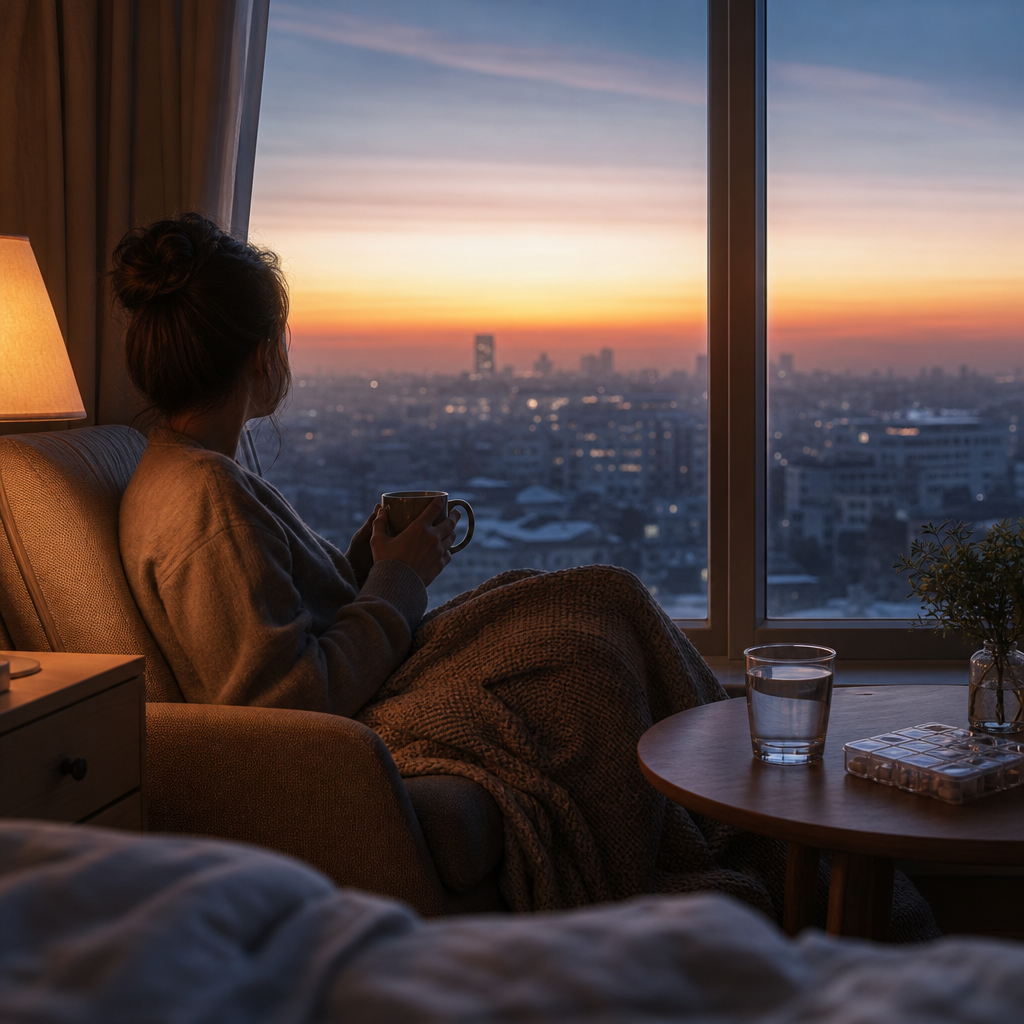

Remember when falling asleep was as simple as closing your eyes and drifting away? For millions of adults today, achieving consistent, restorative deep sleep has transformed from a natural instinct into a frustrating nightly battle. We toss, we turn, and we watch the clock tick away, wondering why a basic human function feels so incredibly elusive. At Nenext, we believe that quality rest is the foundation of holistic wellness, and reclaiming your nights is entirely within your reach.
Fortunately, you do not have to accept chronic fatigue as your default state. By optimizing your sleep environment, managing daily stressors, and establishing mindful evening habits, you can naturally unlock the high-quality rest your mind and body desperately crave. Let us explore how you can dismantle the barriers to great sleep and build a sustainable routine for lasting vitality.
Identifying the Hidden Sleep Thieves in Modern Life
Before we can fix our nights, we must identify what is actively sabotaging them. In our fast-paced world, chronic stress and high anxiety levels keep our nervous systems in a constant state of fight-or-flight. When your body is flooded with cortisol—the primary stress hormone—it acts as a direct antagonist to melatonin, preventing you from transitioning into deeper stages of rest.
Beyond mental stress, daily habits play a massive role in sleep disruption. Late-night doomscrolling, afternoon caffeine boosts, and heavy dinners right before bed act as silent sleep thieves. These habits disrupt your natural circadian rhythm, making it incredibly difficult for your brain to signal that it is time to wind down. Recognizing these subtle disruptors is the crucial first step toward reclaiming your peace.
Crafting Your Ultimate Sleep Sanctuary
Your bedroom should not just be a place where you store your belongings; it must be a dedicated sanctuary designed exclusively for physical and mental recovery. Environmental factors heavily dictate how quickly you fall asleep and how long you stay asleep. To begin, eliminate all ambient light by investing in high-quality blackout curtains, as even tiny LED lights from electronics can interfere with your brain’s natural sleep signals.
Next, optimize your room temperature to facilitate a smoother transition into deep rest. Studies suggest that a cooler room, ideally between 15 to 19 degrees Celsius (60 to 67 degrees Fahrenheit), mimics the body’s natural temperature drop during sleep. Additionally, ensure your mattress and pillows provide optimal orthopedic support, and consider a white noise machine if external noises threaten to wake you during the night.
The Power of a Screen-Free Bedtime Ritual
Establishing a consistent pre-sleep routine is one of the most effective ways to signal to your brain that the day is ending. This transition period should begin at least one hour before your head hits the pillow. The most critical step in this routine is disconnecting from digital screens, which emit blue light that tricks your brain into thinking it is still daytime.
Instead of scrolling through social media, replace screen time with relaxing, analog activities. Reading a physical book, listening to calming ambient music, taking a warm bath, or practicing gentle stretching can dramatically lower your heart rate. By keeping your schedule consistent—even on weekends—you reinforce your body’s internal biological clock, making sleep a natural habit rather than a chore.
Nourishing Your Sleep from the Inside Out
What you put into your body during the day directly impacts how well you sleep at night. While a nightcap or a late-night sugary snack might seem comforting, they severely fragment your sleep architecture and prevent you from entering the deep, restorative REM cycles. To support your body’s natural chemistry, focus on sleep-promoting nutrition during your evening meals.
Incorporate foods rich in magnesium, tryptophan, and calcium—such as bananas, almonds, and warm herbal teas like chamomile. Furthermore, regular physical activity during the day is a powerful tool for reducing bedtime anxiety and burning off excess energy. Just be sure to avoid high-intensity workouts within three hours of bedtime, as the resulting adrenaline spike can keep your mind racing.
Designing Your Personalized Blueprint for Restorative Rest
Improving your sleep quality is not an overnight transformation; it is a gradual journey that requires patience, self-compassion, and consistency. There is no one-size-fits-all solution, but small, daily adjustments will compound into significant, life-changing improvements over time. Start by selecting just one or two changes from this guide—perhaps dimming the lights an hour before bed or keeping your phone across the room—and observe how your body responds.
By listening to your body’s unique rhythms and refining your habits, you will gradually build a sustainable routine that works for you. Prioritizing your rest is the ultimate act of self-care, unlocking the energy, mental clarity, and emotional resilience you need to thrive. Commit to your sleep health tonight, and wake up to a brighter, more vibrant tomorrow.
Frequently Asked Questions
為什麼壓力大會直接導致失眠?從生理學角度該如何解釋?
當人處於高壓力或焦慮狀態時,身體會分泌大量俗稱「壓力荷爾蒙」的皮質醇。皮質醇會讓自律神經系統維持在戰鬥或逃跑的興奮狀態,這與幫助睡眠的褪黑激素相互拮抗。當體內皮質醇濃度過高,大腦就無法順利切換到放鬆模式,進而阻礙你進入深度睡眠。
為了打造理想的睡眠環境,臥室的溫度應該控制在幾度最合適?
根據研究,最適合促進深度睡眠的臥室溫度介於攝氏15度至19度(華氏60度至67度)之間。這個溫度區間能有效模擬人體在準備入睡時自然下降的體溫,幫助身體更順暢地過渡到深層休息狀態,減少半夜醒來的機率。
為什麼睡前滑手機會嚴重影響睡眠品質?有什麼替代方案?
電子螢幕釋放的藍光會欺騙大腦,讓大腦誤以為現在仍是白天,進而抑制褪黑激素的分泌。建議在睡前至少一小時關閉所有螢幕,改進行實體書閱讀、聆聽溫和的環境音樂、泡熱水澡或做簡單的伸展運動,這些「類比式」活動能幫助心率下降並放鬆身心。
酒精和甜食不是能讓人放鬆嗎?為什麼說它們會破壞睡眠?
雖然睡前喝酒或吃甜食可能會帶來短暫的放鬆感或睡意,但它們在代謝過程中會嚴重破壞你的睡眠結構。酒精和糖分會導致睡眠片段化,阻止身體順利進入修復大腦與記憶至關重要的深層快速動眼期(REM),讓你隔天醒來依舊感到疲憊。
在飲食方面,有哪些營養素可以幫助提升睡眠品質?
想要透過飲食促進睡眠,建議在晚餐中攝取富含鎂、色胺酸和鈣的食物。例如香蕉、杏仁以及溫熱的草本茶等。這些營養素是身體合成血清素和褪黑激素的重要原料,能從內在穩定神經系統,支持身體的自然睡眠機制。
Discover more from Nenext
Subscribe to get the latest posts sent to your email.