
Starting chemotherapy can feel like stepping into an unfamiliar world where your body no longer follows its usual rules. While your oncology team provides excellent medical guidance, managing daily life requires practical, real-world knowledge. Incorporating the right chemotherapy care tips into your daily routine can significantly protect your health and improve your recovery process. This guide highlights three essential, yet often overlooked, practices that will help you navigate this challenging journey with confidence and safety.
Before diving into these practical strategies, it is vital to remember that every individual’s response to treatment is unique. The information provided here is for educational purposes and should never replace the personalized advice of your healthcare team. Always maintain open communication with your oncologist, nurses, and dietitians to ensure your daily routines align with your specific medical needs.
Why Peeled Fruits are Crucial for Chemotherapy Patients
During chemotherapy, your bone marrow’s ability to produce white blood cells is temporarily suppressed. This condition, known as neutropenia, leaves your immune system highly vulnerable to infections from everyday sources. Fruit skins often harbor microscopic bacteria, mold spores, and pesticide residues that are incredibly difficult to wash away completely.
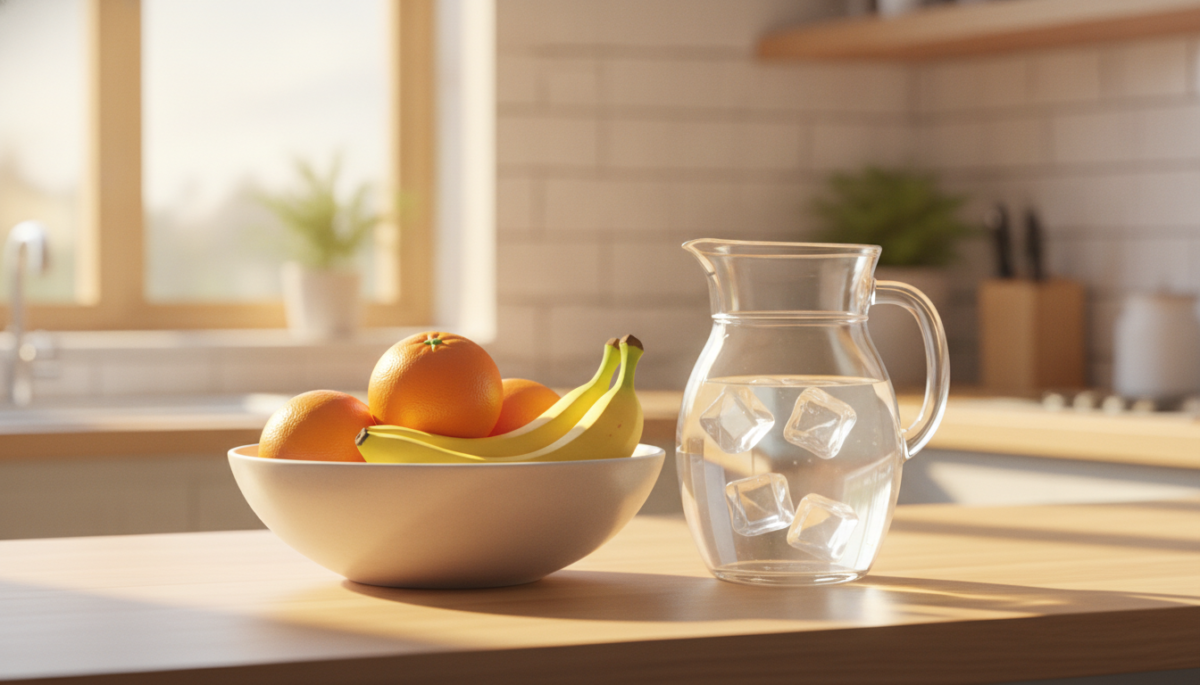
To stay safe, prioritize fruits with thick skins that can be completely peeled and discarded, such as bananas, oranges, melons, and papayas. Always wash the outer skin thoroughly under running water before peeling to prevent transferring bacteria to the flesh. Avoid thin-skinned fruits like strawberries, grapes, and unpeeled apples, as they present a much higher risk of contamination.
If you crave apples or pears, ensure they are deeply peeled and eaten immediately to prevent exposure to airborne pathogens. Alternatively, cooked fruits like applesauce or high-quality canned fruits in natural juice are excellent, sterile alternatives that satisfy your sweet cravings safely.
The Hidden Risks of Ice and Water During Chemo Treatment
Chemotherapy drugs often cause side effects like mouth sores, altered taste buds, and digestive sensitivity. While a cold, refreshing drink might seem like the perfect remedy to soothe an irritated throat, the source of your water matters immensely. Commercial ice machines and unfiltered tap water can harbor harmful pathogens that pose serious risks to immunocompromised individuals.
To protect your gastrointestinal tract, only drink water that has been boiled vigorously for at least three minutes. When you want a cold beverage, make your own ice cubes at home using boiled or high-quality bottled water in thoroughly sanitized trays. Avoid ordering ice in restaurants, even if the establishment claims to use filtered water systems.
Carrying a personal, insulated water bottle filled with your safe, home-prepared water is an easy habit that ensures you stay hydrated without compromising your safety. Taking these small precautions keeps your digestive system safe from unexpected infections.
Embracing the Physical and Emotional Changes of Chemotherapy
One of the most difficult aspects of chemotherapy is coping with the feeling that your body no longer belongs to you. From profound fatigue and nausea to hair loss and changes in taste, the physical transformations can feel overwhelming and unpredictable. Acknowledging and accepting these temporary changes is a vital step in maintaining your mental and emotional well-being.
Listen closely to your body’s signals and allow yourself to rest without guilt when fatigue sets in. Keep an open line of communication with your medical team, as they can prescribe supportive medications to alleviate many physical side effects. Do not hesitate to accept help from family and friends for daily chores, meal preparation, or emotional support.
Remember that these changes are temporary, and your body is working incredibly hard to heal. Cultivating patience with yourself and adjusting your expectations day by day will help you regain a sense of peace and control.
Frequently Asked Questions About Chemotherapy Self-Care
Why is personalized care so important during chemotherapy?
Every individual reacts differently to cancer treatments based on their overall health, genetics, and specific drug regimens. General guidelines offer a safe foundation, but your oncology team must tailor your care plan to your unique physical responses and nutritional needs.
How can I safely satisfy my fruit cravings if I prefer thin-skinned varieties?
If you love thin-skinned fruits, consider eating them cooked, stewed, or baked, as heat effectively kills potential pathogens. You can also opt for commercially pasteurized fruit purees or canned options, which undergo strict sterilization processes.
Is tap water safe if I use a standard home water filter pitcher?
Standard carbon filter pitchers improve taste but do not eliminate all microscopic bacteria or viruses. For maximum safety during chemo, always boil your water or use a certified reverse osmosis filtration system.
What can I do if chemotherapy completely alters my sense of taste?
Taste changes are incredibly common, but you can manage them by experimenting with mild seasonings, fresh herbs, or a splash of lemon juice. Eating smaller, more frequent meals and focusing on cold or room-temperature foods can also make eating more tolerable and help maintain your strength.
Navigating chemotherapy requires a balance of medical science, physical precautions, and emotional resilience. By making mindful choices about what you eat, what you drink, and how you treat your changing body, you reclaim power over your healing process. Treat yourself with kindness, rely on your support network, and take this journey one safe, nourishing step at a time.
Frequently Asked Questions
Why can't I just thoroughly wash thin-skinned fruits like strawberries instead of avoiding them?
Even with thorough washing, thin-skinned fruits like strawberries and grapes have porous surfaces that easily harbor microscopic bacteria, mold, and pesticide residues. Since chemotherapy suppresses your white blood cells, even tiny amounts of these pathogens can cause severe infections, making thick-skinned, peelable fruits a much safer choice.
Is tap water safe to drink if I use a standard home water filter pitcher?
No, standard home filter pitchers do not eliminate all microscopic pathogens. To ensure your safety while immunocompromised, you must boil tap water vigorously for at least three minutes before drinking it or use high-quality bottled water. You should also use this boiled water to make your own ice cubes.
Why should I avoid ordering drinks with ice at restaurants during my chemotherapy treatment?
Commercial ice machines in restaurants are notorious for harboring harmful pathogens, and their filtration systems may not be medical-grade. Since your immune system is highly vulnerable during chemo, consuming restaurant ice poses a high risk of gastrointestinal infection. It is safest to bring your own boiled water in an insulated bottle.
How can I safely satisfy my cravings for fruits like apples or pears during chemo?
If you want to eat apples or pears, you must peel them deeply and eat them immediately to prevent airborne contamination. Alternatively, you can opt for cooked options like applesauce or high-quality canned fruits in natural juice, which are sterile and completely safe for your digestive system.
What is the best way to handle the overwhelming fatigue and physical changes of chemotherapy?
The best approach is to listen to your body and rest without guilt, as your body is working hard to heal. You should also maintain open communication with your oncology team, who can prescribe supportive medications for side effects, and accept help from loved ones for daily chores.
Discover more from Nenext
Subscribe to get the latest posts sent to your email.